EN
EN Italiano
 Deutsch

The Historical Centre
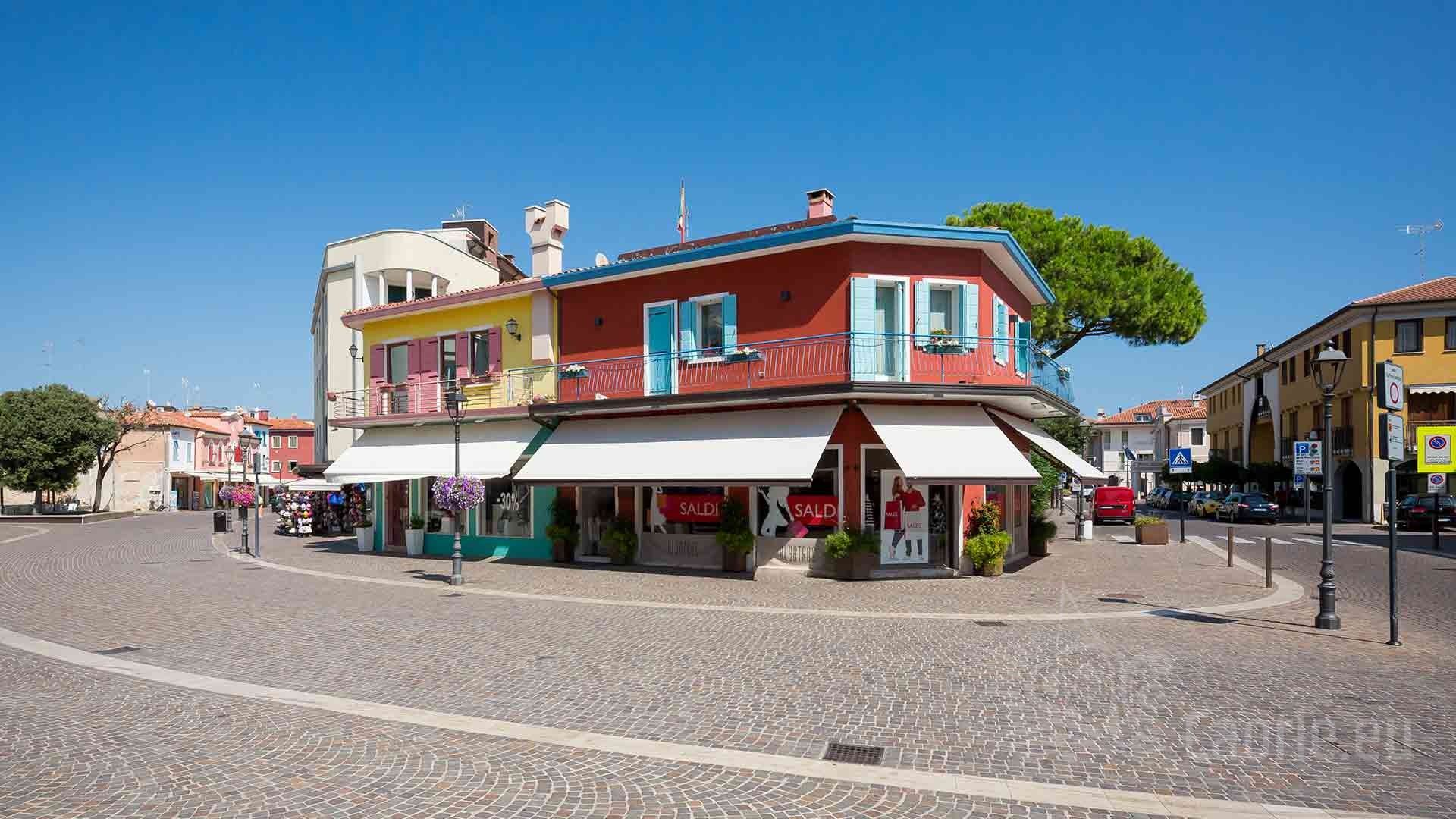
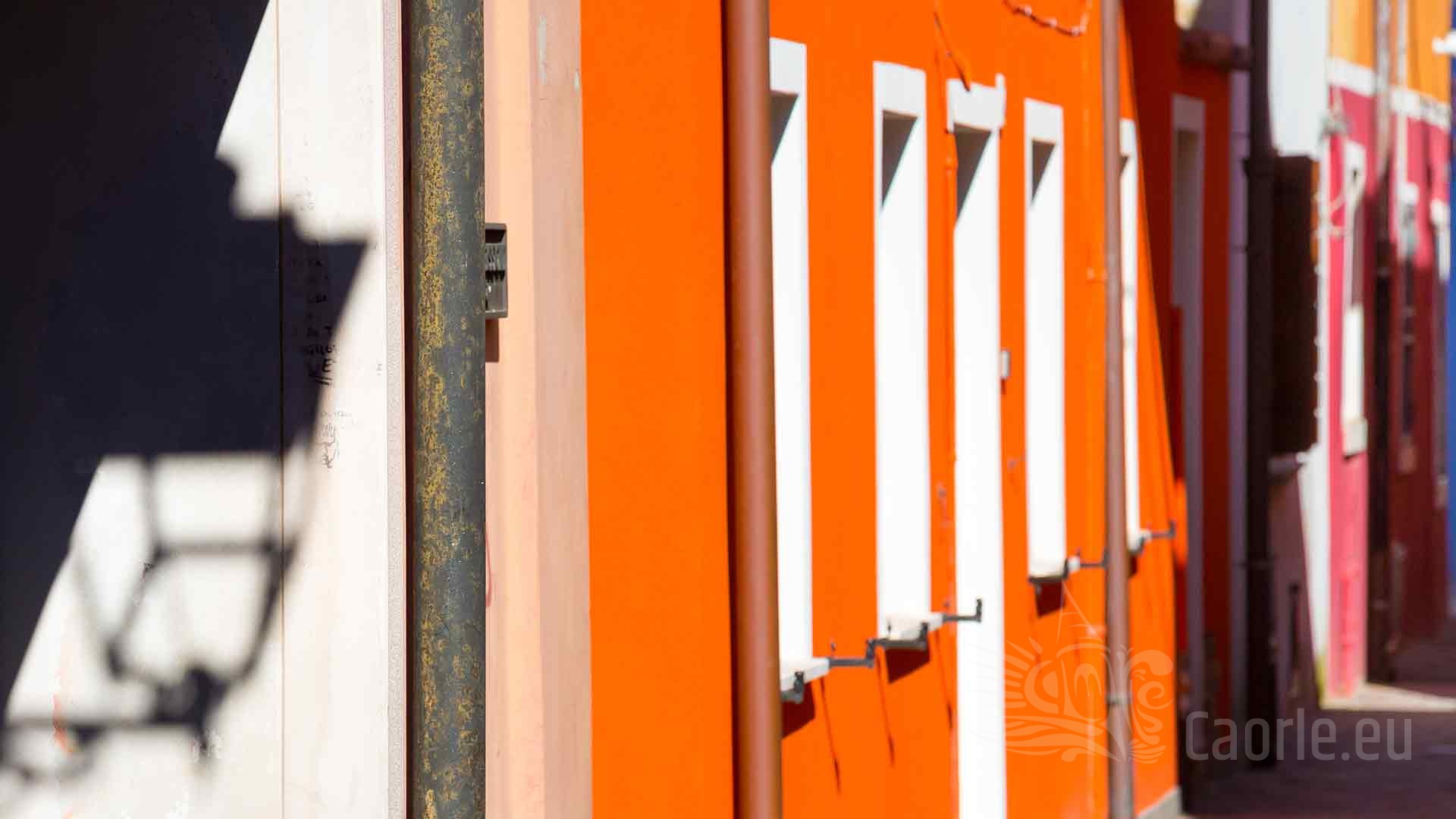
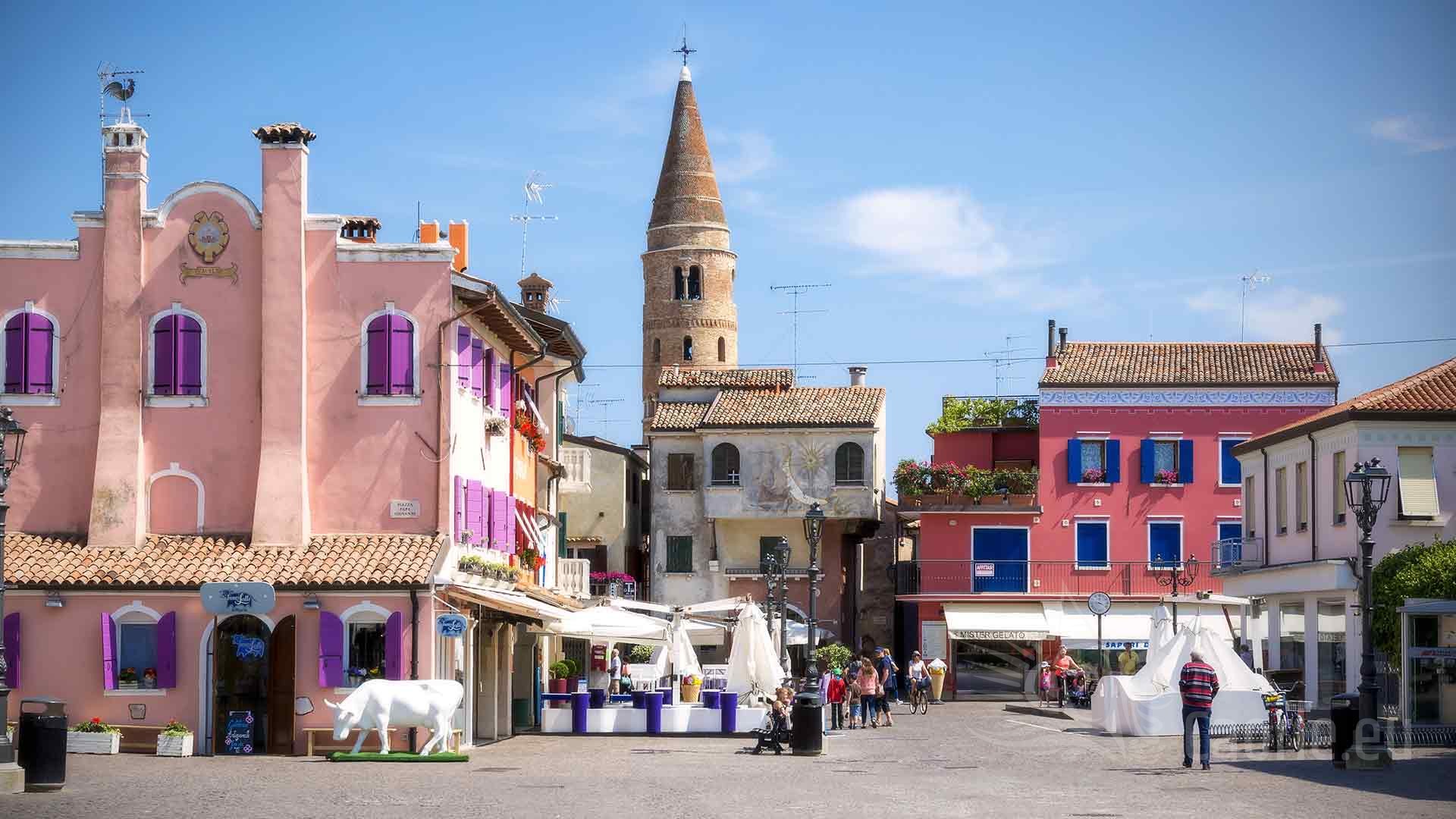
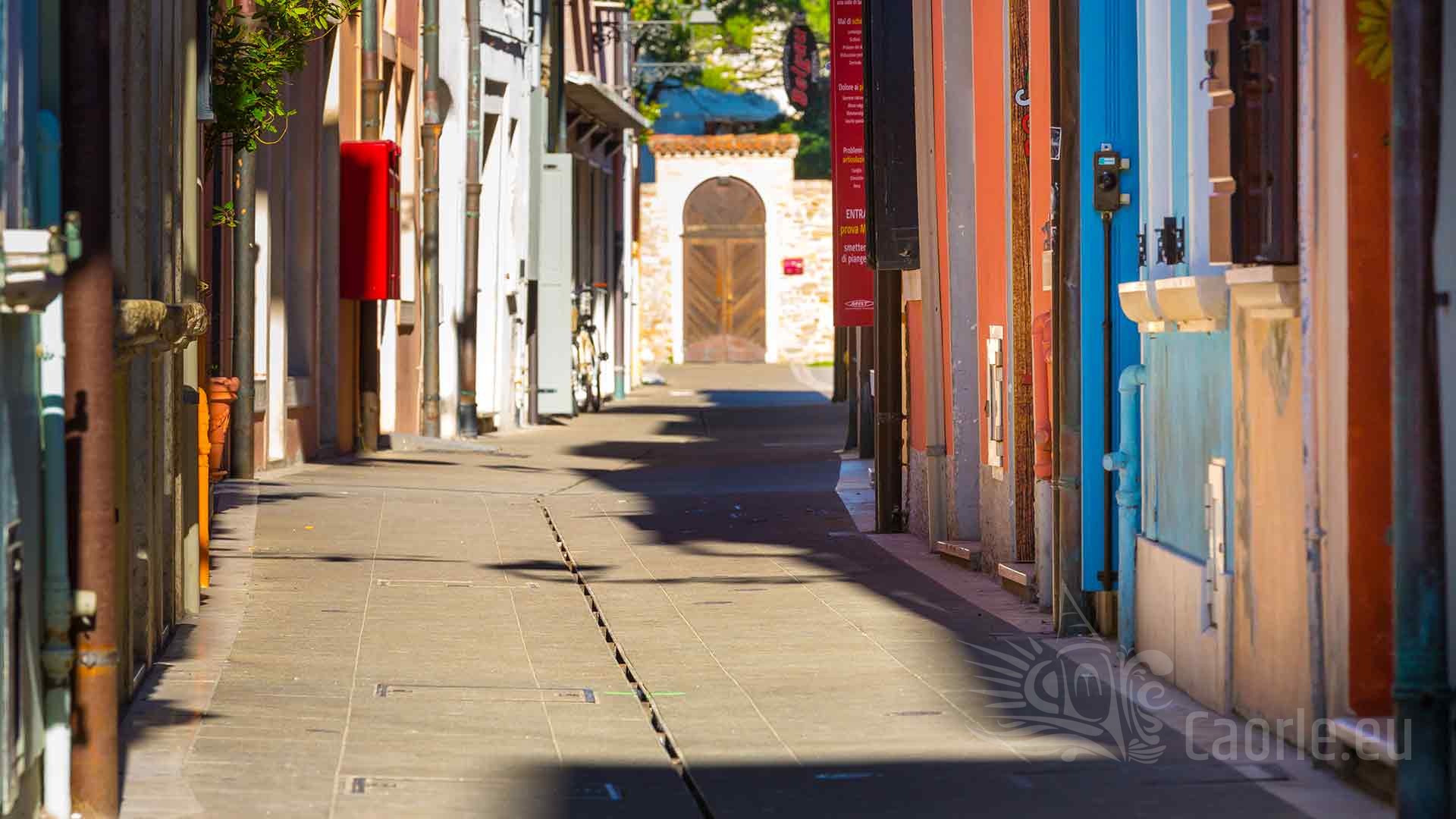
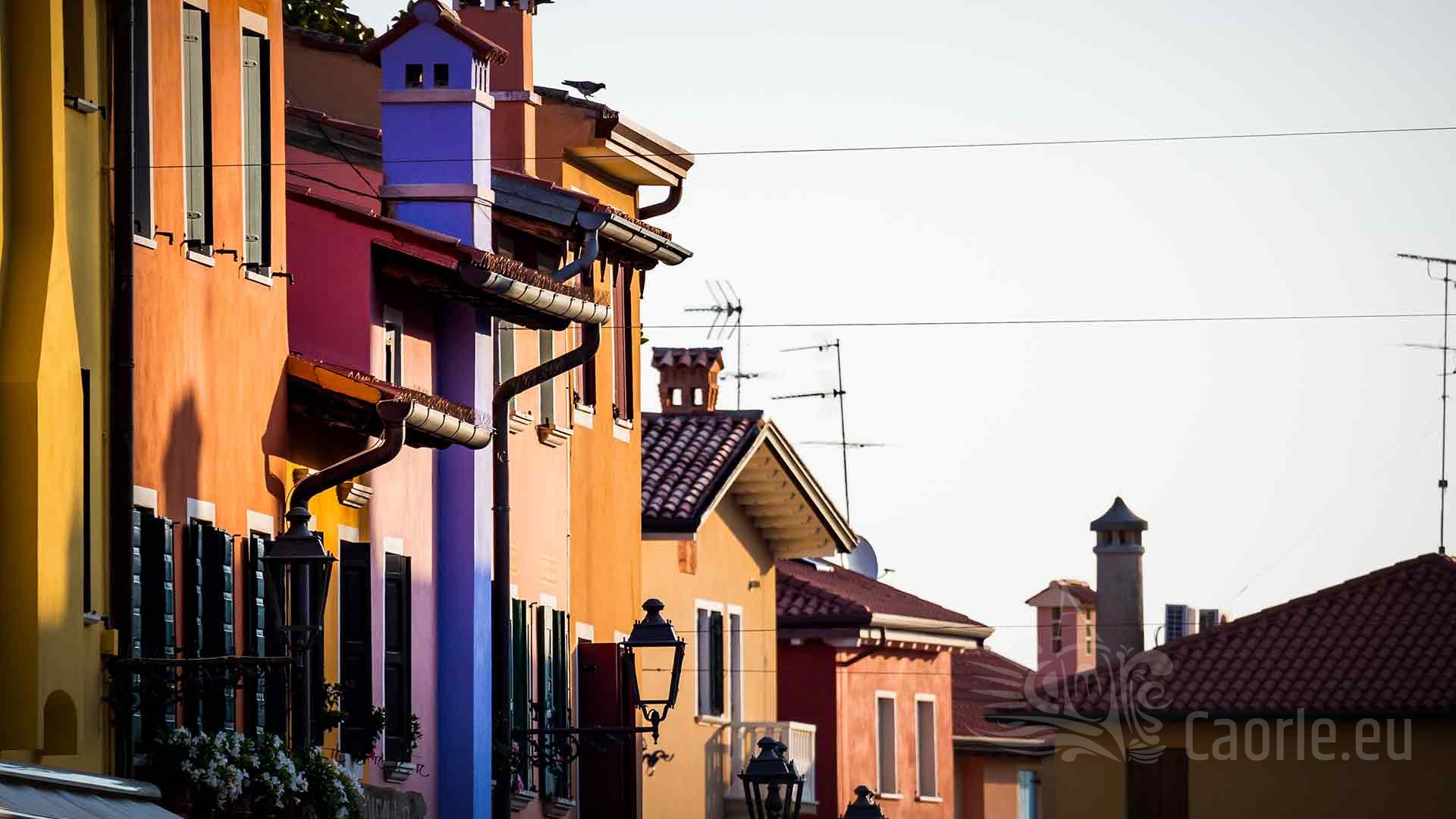
One of the features that makes Caorle an unmissable destination is its extraordinary architecture. Walking through the narrow streets of the center (e.g., Calle Lunga), you will be immersed in a riot of vibrant colors that recall the spirit of Venice but with its own unique personality. Houses in shades of yellow, orange, and blue create a fascinating contrast with the sky and the sea, offering a new visual delight at every step.
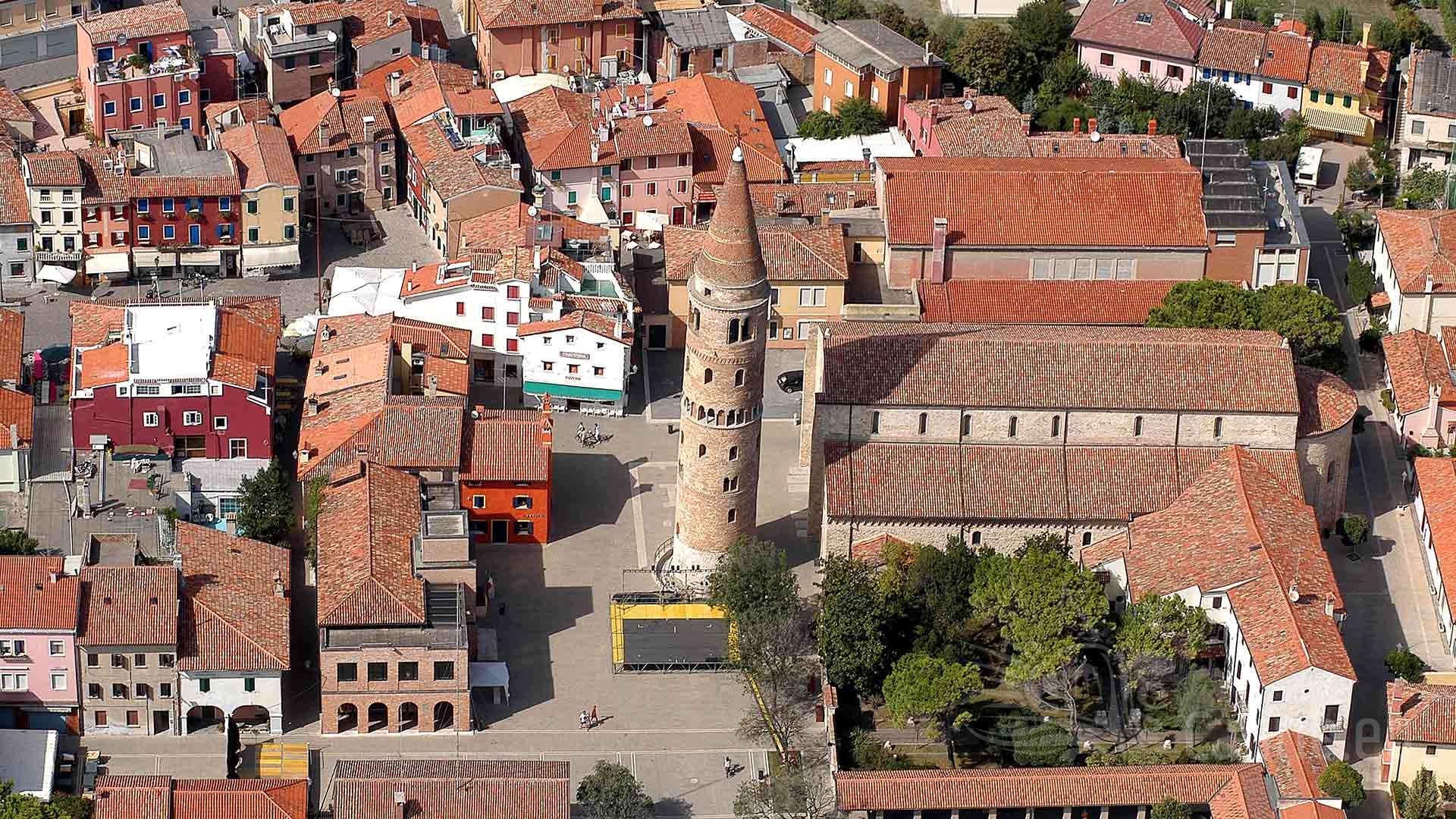
You can admire the cylindrical bell tower that rises above the village in front of the cathedral dating back to 1038 and the Church of Madonna of Pompei.
A Journey into the Heart of the Ancient Fishing Village
The main street, Rio Terrà, which in Venetian dialect means "buried canal," is today a spacious pedestrian street where walking is a true pleasure. Every step along Rio Terrà and Rio Terrà delle Botteghe, where the Bafile Cultural Center is located, invites you to discover the past. If you look closely, you will see white lines on the pavement, marking the canal that once flowed through the center before being buried in the 19th century.
Along the way, you can admire the cheerfully colored houses and immerse yourself in the typical atmosphere of the town. Just a few steps away is Calle Lunga, a street that has preserved its original structure. Continuing on, you will reach Piazza Vescovado, the beating heart of Caorle, a square that gathers centuries of history and tradition, and also houses the ancient Palazzo Pretorio. Equally valuable are the mural frescoes of the ancient Oratory of San Rocco (demolished during the Napoleonic period). Today, this has become an archaeological path that preserves an authentic Roman well in the garden.
Did you know that…
An interesting and fascinating aspect of Caorle's historic center is that, until two centuries ago, fishermen navigated these very streets with their boats, as the center was accessible by water, with internal canals connecting different areas of the town. Foundations were linked by bridges allowing boats to pass. There was also the squero, the typical Venetian-style shipyard near the port, which today houses food and wine establishments. During the 19th century, the canals were filled in for public health reasons. The stagnant water in the canals had caused frequent malaria outbreaks affecting the population. This change, though necessary, transformed the town's appearance without erasing the spirit of the fishing village, which still fascinates visitors today.